

From Midnight Cries to Morning Calm: Your Baby’s Sleep Guide
Picture this: it’s 2 a.m., you’re rocking your baby, and that little voice in your head whispers, “Am I doing this right?” Here’s the truth—you are doing beautifully. Baby sleep isn’t about perfection; it’s about patience, love, and learning together. Some nights your little one will snooze like an angel, and other nights they’ll wake every hour. That rollercoaster is part of the journey, not a sign you’re failing.
Sleep develops step by step, and every baby’s rhythm is unique. Pediatric experts agree there’s no one-size-fits-all solution—only safe, gentle, and responsive practices that help your baby grow while keeping you grounded and cared for.
This guide is designed to give you more than just information—it’s here to empower you. With research-backed recommendations and compassionate support, you’ll walk away with practical strategies and the confidence to create a calm, nurturing sleep environment for both you and your baby.
Why Baby Sleep Looks So Different (and Why That’s Okay)

One of the first surprises of parenthood is realizing that babies aren’t born with mature sleep cycles. In those early months, your little one spends much more time in light sleep and wakes often—for feeding, comfort, and connection. That’s not a flaw; it’s simply how their tiny bodies are designed to grow.
Pediatric experts, remind us of a few key truths:
- Newborns typically sleep 14–17 hours in total, but in short stretches.
- Night waking is biologically normal, especially during the first 6 months.
- Self-soothing is a skill that develops gradually—it cannot be hurried.
👉 So when your baby wakes often, it isn’t a sign of bad habits or poor parenting. It’s healthy, natural —and you’re supporting them exactly as they need.
Safe Sleep Comes First (Always)
Before you think about routines or schedules, the most important thing is keeping your baby safe while they sleep. Experts suggest following safe sleep practices greatly lowers the risk of SIDS.
Here’s the easy checklist most pediatricians recommend:
- Back to sleep: Always place your baby on their back.
- Firm mattress: Use a flat, firm mattress with a fitted sheet.
- Clear crib: No pillows, blankets, bumpers, or toys inside.
- Same room, separate bed: Share a room with your baby for at least 6 months, but not the same bed.
💛 And if you’ve ever dozed off while feeding, please know many parents have. This isn’t about blame—it’s about planning safe sleep spaces so you and your baby can rest with peace of mind.
Creating a Gentle, Baby-Friendly Sleep Environment

Babies feel safest when things are familiar. A calm, predictable sleep space helps them understand that it’s time to rest. Think of it as setting the stage for comfort—simple cues that gently guide your little one toward sleep.
Pediatric sleep specialists and trusted sources like Parents.com suggest these easy tips:
- Cool, dark, and quiet: Keep the room at a comfortable temperature with minimal light and noise.
- Use Soothing music if household activity makes it hard for your baby.
- Comfortable sleepwear: Dress your baby in soft, breathable clothing that keeps them cozy without overheating.
💡 The goal isn’t perfection—it’s consistency. A cozy, predictable environment helps your baby feel secure and makes bedtime smoother for everyone.
Simple Bedtime Routines That Actually Help

Bedtime doesn’t have to be complicated. In fact, research shows that the simplest routines—done consistently—are the ones that work best. A gentle, predictable flow helps your baby know it’s time to wind down and rest.
Here’s a sample routine most paediatric experts recommend:
- Fresh start: Change your baby’s diaper.
- Full tummy: Offer a feeding.
- Calm connection: Share a soothing moment—sing a song, cuddle, or read a short book.
- Into bed: Place your baby in the crib while drowsy.
🫶 And if your little one needs rocking or feeding to fall asleep, that’s perfectly okay. Responding with love and comfort builds emotional security—and that’s just as important as sleep itself.
Understanding Sleep Regressions (Without Panic)
Sleep regressions can feel overwhelming, but they’re actually a normal part of your baby’s growth. These are short phases when sleep patterns shift—often because your little one is busy mastering new skills or experiencing big developmental leaps.
Pediatric sleep experts, including guidance from WebMD, note that regressions are:
- Most common around 4, 6, and 9 months.
- Often linked to exciting milestones like rolling, sitting, or crawling.
- Always temporary, even if they feel endless in the moment.
✨ The most important thing to remember: these changes are signs of healthy development, not something you did wrong. Your baby is growing, learning, and becoming more aware of the world—and you’re guiding them through it with love.
Night Waking: Responding with Confidence and Calm
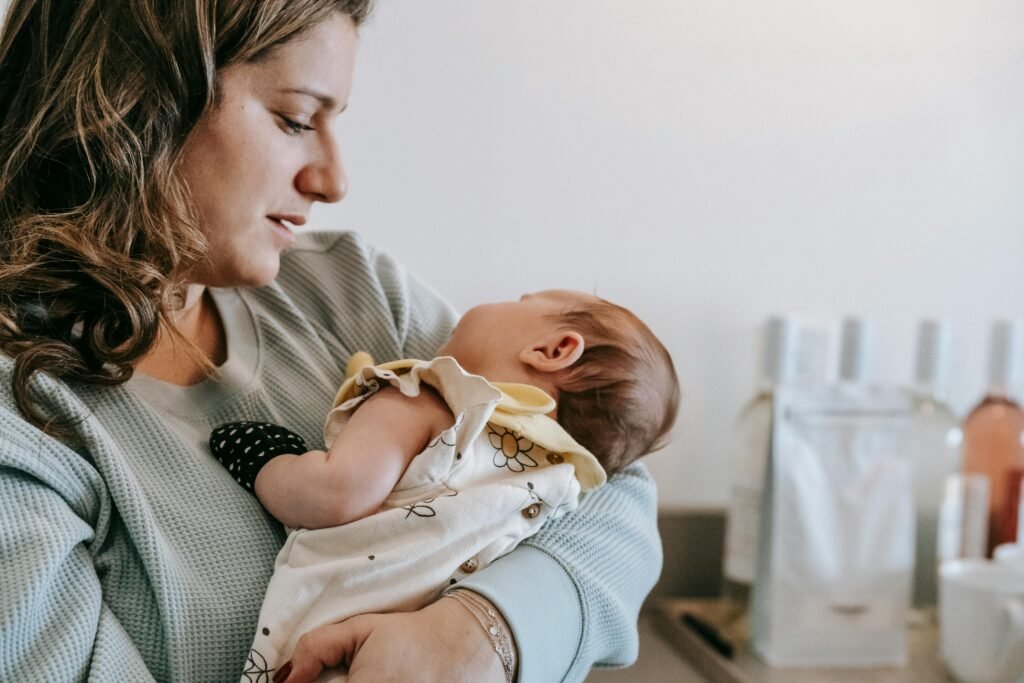
Night waking can feel like one of the toughest parts of parenthood. Those midnight cries often come from simple needs—hunger, discomfort, or the desire for re-assurance. Trusted medical sources remind us that:
- Hunger, discomfort, and re-assurance are the most common reasons babies wake at night.
- Comforting your baby does not “spoil” them—it teaches them they are safe and loved.
- Responding with warmth builds healthy emotional attachment that lasts well beyond infancy.
💗 Remember, you are allowed to comfort your baby and care for your own rest. Meeting their needs with calm and responsiveness is not only okay—it’s one of the most powerful ways you nurture their growth and security.
When to Talk to a Pediatrician

It’s completely normal for babies to have different sleep patterns, but sometimes extra support is important. Trusted medical sources recommend reaching out to your pediatrician if:
- Feeding or growth is a struggle: Your baby consistently has trouble feeding or gaining weight.
- Sleep and health overlap: Sleep challenges come with breathing concerns or reflux.
- Your well-being matters too: You feel overwhelmed, anxious, or unsure about your baby’s sleep.
- Sleep Training after 4-6 months old
💛 Remember, your concerns are valid. Seeking professional guidance isn’t a sign of failure—it’s a proactive step to protect both your baby’s health and your own peace of mind.
A Final, Reassuring Thought
There’s no such thing as a perfect sleeper—and no such thing as a perfect parent. What truly matters is the love, care, and intention you bring every day. When you combine trusted information with your own intuition, you’re giving your baby exactly what they need.
This season of broken sleep will pass. And when it does, your baby will still feel safe, cherished, and secure—because of you.
💛 Take a deep breath. You’re doing far better than you realize, and your presence is what makes all the difference.
Mantra to remember- “I am enough. My baby is safe. This season will pass. Love is the constant that carries us through”.
HAPPY PARENTING!